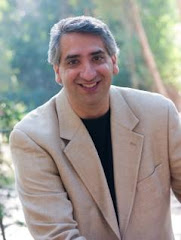
Showing posts with label michael varma. Show all posts

Wednesday, September 15, 2010

Wedded Words

What to write in a wedding thank you note


Wedding gift thank you notes should not be tossed away like the bridal bouquet and written with a hasty hand. Nor need they be effusive eight-page essays of how you couldn’t live without the silver-plated serving platter. Crafting sincere words of gratitude is easy when you follow the three Rs of thank you note etiquette: reference, reason and regard.


Reference

After the salutation, simply reference the present itself. “Thank you for the collector’s edition of Star Trek Pez dispensors.” Naming the specific item avoids the faux pas of using the generic term of “gift” – that’s like saying, “I’m just not that into you.”


If you don’t recall what was given, an inquiring phone call is the best solution. Mention that during transport, a few cards and gifts were separated and you’d like to finish writing your thank you notes. Most wedding witnesses will understand and enjoy the story.


Reason

Select a favorite feature or overall positive quality of the present and write a complimentary remark. One sentence will do. Answer one of these two questions: Why do you like it? How will you use it? “I saw the T-shirt jersey sheets on Oprah and know they’ll keep us warm at night.”


While Men are from Mars and Women are from Venus, sometimes gifts arrive from former planet Pluto. On the occasion where a present doesn’t appeal to your earthly tastes, focus on the generosity of the gift giver or the craftsmanship of the product. “The serpentine stone sculpture from Zimbabwe is quite elegant.”


Regard

It’s most important to acknowledge the person than the gift. The closing sentence is best centered on your relationship with an honest expression of appreciation. “We were honored to have you join us and celebrate our special day – your gift was an unexpected bonus.”


Be truthful. Be positive. Be kind.


So whether you open your presents before or after your honeymoon, it’s good form to write thank you notes in a timely manner. Remember the three Rs (reference, reason, and regard) and you’ll remain under the magical newlywed spell for years to come.


Michael Varma is a freelance writer, award-winning presenter and professional magician. To learn more, visit www.MichaelVarma.com. Contact Michael Varma, the author of Tasteful Toasts, for permission to reprint this article. Copyright September 2010 Magical Concepts.

Monday, March 15, 2010

Webcams: Today’s Techno-Tool

A new generation of online communication

Videoconferencing is not just for large corporations anymore. Small companies use it, sole proprieters use it, and yes, mom and dad use it, too. Whether people pay for a hi-tech interactive telecommunication boardroom or use free software such as Skype, which runs on a home computer, online communication has entered a new era.

Star Trek boldly went wireless in the mid 1960s with handheld communicators, but it was the video-intercom jumbo-tron on the bridge of the Enterprise that ensured a successful mission. Whether you’re presenting a webinar or posting a podcast in real time streaming video, it’s good to remember the three PsPosture, Position and Pronunciation – so you, too, can be as victorious as Captain Kirk.

Posture
Onscreen slouching can cause Quasimoto to become green with envy when the camera visually adds “those ten pounds” to your hunched back. To avoid being confused for that famous ringer, do as your parents or drill sergeant ordered: head up, shoulders back and chest out.
Sitting correctly prevents back pain and contributes to a good appearance. Your confidence will grow and people will take you more seriously. Remember: James Tiberius Kirk always sat tall in his captain’s chair.

Position
Camera position is key. Too far away and you’ll look like a midget. Too close and folks will focus on your nose hair. Get it just right – an appropriate mix of upper body and minimal background – and you’ll be admired by millions of cyber-fans and Andorians alike.

Place the webcam about 36 inches from where you’ll sit so the microphone can still acquire your voice. Zoom in and focus on yourself. Verify the screen is filled proportionately and that there’s enough room to show hand gestures, display props, like a book, or complete a demonstration.

Pronunciation
Warm up with the tongue twister and say, “There’s terrible trouble with Tribbles,” three times clearly enunciating each syllable before you turn on your techno-tool and broadcast in broadband. Slight transmission delays and tinny sounds from tiny computer speakers, might squelch your voice. Speak slowly and clearly so you sound intelligent and not like a Klingon ordering zilm'kach!(a small apricot).

Record yourself saying a small speech and then play it back. Close your eyes and listen. After you stop laughing at how different your voice sounds to yourself, play it one more time and pay attention to the pronunciation of the words. Practice until you’re satisfied your peeps will find value in your vocalizations.

Is cyberspace the final frontier? No, but it is a strange new world where full facial features and body language are seen by new generations of family, friends, customers and potential clients. Buckle in the three Ps (posture, position and pronunciation) before you “Engage!” at warp speed.


Michael Varma is a freelance writer, award-winning presenter and professional magician. To learn more, visit http://www.michaelvarma.com/. Contact Michael Varma, the author of Tasteful Toasts, for permission to reprint this article. Copyright March 2010 Magical Concepts.


Saturday, August 15, 2009

Keep Your Credibility

Without losing your cool or your clients

I committed a huge faux pas several months ago and almost lost my credibility as a presenter. My mental TiVo keeps replaying the moments leading up to the mishap until a self-induced coma takes over – a common disease known as “analysis paralysis.” I was the second half of a tag team training session and noticed my teammate was running way too long. When I took the floor, I had less than 15 minutes to cram in 45 minutes of material. But I kept my credibility (and cool) by remembering the three Ps: perspective, patience and politeness.

Perspective
I stood in the back of the room so only the presenter could see me circling my index finger in the, air my universal sign for “wrap it up.” When that didn’t work I tried the basketball referee, hand paddling move for traveling. Nothing. I pointed to my watch then drew my hand across my throat for “cut.” The speaker never acknowledged my presence.

I could have interrupted, played more charades or completed jumping jacks to get his attention, but decided to sit down and look at the situation from a different point of view. While I found his material to be somewhere between uninteresting and downright boring, both in presentation and content, others thought it spot-on. If the audience shared my opinion then I needed to compress my information into a compact, entertaining and powerful message or make it available through another source.

A hybrid solution came to me: I used my meager ten minutes to provide a high-level overview with a few intriguing facts and asked for business cards with email addresses in order to forward additional details. While some ponder if the glass is half full or half empty, my cup overfloweth with more than three-dozen business contacts.

Patience
Our first session of the day was far from perfect and I wanted to share some choice thoughts with my “partner” about his long-winded routine. But several events happened in the span of a few minutes that altered my plans.

First, I reminded myself that the participants are often unaware anything is wrong (unless I tell them or complain about the lack of time), proving ignorance is bliss. Second, my colleague immediately apologized for the lopsided segments before I could unload on him. He even solicited ideas on what could be trimmed from his PowerPoint slide deck. And shocking me to the core he asked, “What was with all the semaphore?”

Had I lost my temper with my associate for being uninformed with basic hand gestures, well, I’d be the backside of a donkey. Had I rushed to the front of the room, sacked the current quarterback and demanded my time, I’d alienate my co-instructor and the childlike actions would crush my credibility with the crowd.

Now for the gratuitous clichés and proverbs to hammer the point a little further:
1. In the end, it all works out
2. Patience is bitter, but its fruit is sweet
3. One minute of patience, ten years of peace

Politeness
It’s easy to be rude. Even easier to rebuke a presenter for being more focused on their coffee cup than paying attention to the audience or team teacher. But being kind in the shadow of your own frustration is disarming. It brings unforeseen rewards to the surface. As the Dalai Lama said, “Be kind whenever possible. It is always possible.”

While my comrade was unfamiliar with the silent messages sent via body language, he responded to a friendly explanation. We completed six more presentations together and debriefed after each session, tweaking, modifying and improving our delivery.

Add up the three Ps (perspective, patience and politeness) and it equals respect. The respect you have for yourself, your audience and fellow presenter, with a calm and polished approach, will keep your credibility.


Michael Varma is a freelance writer, award-winning presenter and professional magician. To learn more, visit http://www.michaelvarma.com/.


Contact Michael Varma, the author of Tasteful Toasts, for permission to reprint this article. Copyright August 2009 Magical Concepts.

Wednesday, July 15, 2009

Acapella Amplified

Managing a microphone is all about location

Unless you’re a karaoke king or decibel diva, using a microphone effectively takes a little practice. Gone are the days of yowling like a hepcat because today’s technology can amplify your normal speaking voice. But proper placement of the mic is key.

Location, Location, Location
Imagine your microphone is a flashlight shining a V-shaped light toward your face. This area is known as the hot zone. Your voice is best amplified when you talk over or across, not directly into, this region. Speaking down the shaft of light, known as “crowding the mic,” may distort and garble your words. Some folks overcompensate positioning the microphone too far away and sounding distant. Others place the mic too close to their mouths creating a cold spot – when they turn their heads, words are completely lost to the audience. You might feel a little like Goldilocks testing what’s too hot and too cold until you settle on a position that is just right. Most wireless microphones can be held about a six inches away from the mouth for best clarity.


Dress for Success
Both wired and wireless clip-on lavaliere microphones require presenters to consider microphone-friendly clothing. Buttons, jewelry and long hair can rub or tap against the microphone’s head causing distracting noises. A scarf, loose tie or billowing blouse may rustle softly and will be picked up, amplified and transmitted throughout the room – I hope corduroy doesn’t come back in style. Most lavalieres require a transmitter to be clipped onto a belt or slid into a pocket. Wear the appropriate attire and accessories to minimize any unwanted commotion.

Testing: 1, 2, 3
You’ll quickly realize the microphone is your friend, allowing you to speak softly and carry a big message. Whether you’re a newly published author out on your first press junket or giving a tasteful toast at a party, always arrive a little early and take the equipment out on a test drive. Rehearse what you’re going to say using the microphone. Pray that the audiovisual kid in school grew up to be a technician and is available to assist you with your sound check. Experiment with your vocal variety, pitch and rhythm while someone moves around the room to gauge how well your voice can be heard.

A microphone is an excellent tool to help you engage a large audience. Find the proper placement for the equipment and a bit of time to practice and you’ll be ready for a recording contract.


Michael Varma is a freelance writer, award-winning presenter and professional magician. To learn more, visit http://www.michaelvarma.com/.


Contact Michael Varma, the author of Tasteful Toasts, for permission to reprint this article. Copyright July 2009 Magical Concepts.

Sunday, February 15, 2009

Passionate Presentations

Speak from the heart and become wealthy

When you give a brief heartfelt wedding toast, you are paid in appreciation, kindness and gratitude. If you give a lecture with the same caring conviction, you’ll be showered with applause and cash for a job well done. Both types of speeches create exhilaration and contentment. The key is to lead with love.

Tender Talk
It may seem surprising to compare newlywed wishes with a corporate seminar, but mixing business and pleasure can make a winning combination. When you offer words of wisdom to a young couple, you’re sharing thoughts from the heart based upon your own experiences in hopes they’ll have a brighter future. As a sincere speaker you make an honest connection with the crowd, convey a message that will inspire, energize or call folks to action and they comprehend that you care. And when the light bulbs brighten over their inquisitive heads, your heart and chest will swell with satisfaction.

Discover Hidden Talents
Finding the right words for a tasteful toast or narrowing your niche for a passionate and powerful topic to place you squarely on the speaker’s circuit may take time. One way to tap into your talents is to turn the tables: pretend you’re on the receiving end of the presentation. What would you want to hear? Determine what would help or inspire you then write it down.

Brainstorm with your spouse, mentor or best friend and identify key elements that made a difference in your life. Use the top three points from your list and prepare a speech. Reread. Rewrite. Rehearse. When it is time to present, your earnestness will be evident and your voice will naturally project the passion.

For Love or Money?
Successful seasoned speakers frequently say they get paid for doing something they love: sharing their thoughts and ideas so people can better themselves. It’s almost criminal. As a professional magician, I have frequent opportunities to apply my craft in public and private. On a long plane flight to my next show I watched a mother in the adjacent seat desperately try to quiet her cranky child. Fellow passengers were clearly fed up and would do anything to make the kid shut up – er, I mean, be quiet. I leaned across the aisle and pulled out a long thin balloon from my pocket and captured the little one’s attention. Within 60 seconds I made a cute pink poodle balloon animal and released the inner cabin pressure. I was instantly the wealthiest person on the plane.

I shared the story with my audience later that night and received joyous hoots and hollers. A heckler tried to barge into the act and I asked, “Do you need a pink poodle, too?” I got the laughs and my interloper was effectively shut down. Does it get any better? Sure does, because I got paid to have fun.


Take your favor topic and present it passionately and sincerely. Should you do it for the principle or gorgeous greenbacks? I say: Both. Your heart will sing with satisfaction – a priceless feeling – and any material response beyond that inner tune will add to your wealth.


Michael Varma is a freelance writer, award-winning presenter and professional magician. To learn more, visit http://www.michaelvarma.com/.


Contact Michael Varma, the author of Tasteful Toasts, for permission to reprint this article. Copyright February 2009 Magical Concepts.

Monday, December 15, 2008

O Christmas Sneeze, O Christmas Sneeze

Are you allergic to the holiday spirit?


Before the last trick-or-treater goes to sleep, retail elves start decking the shopping malls with holiday gifts. When Christmas usurps Halloween it’s easy to feel saturated with holiday cheer and become prematurely filled with the bah-humbugs. By the time Black Friday rolls around the day after Thanksgiving, you’re primed to knock over little old ladies and their walkers to get your loved ones the latest techno-gizmo. Clearly you’re in no shape to shop. Best to apply some mental medicine and fortify your immune system so you’re in the proper frame of mind.

Point of View
As a professional performer, I live the cliché “the show must go on” and know what’s truly vital is to maintain a healthy attitude. Several years ago I was booked to do a magic show at UCLA and made the mistake of having a cup of college coffee. The brew was so strong my hands shook like a workman operating a jackhammer. I could barely shuffle a deck of cards, but my audience didn’t care. They wanted to be entertained. If I were in a movie, it would be the pivotal scene where the hero (that’s me – played by Hugh Jackman) must decide what to do: run away to perform another day or levitate beyond the jolt of java coursing through my body. I chose to reveal my caffeine quandary. Coeds and tenured professors started to laugh with (and at) me all the way through my show. I learned two important lessons: stay away from college coffee and adopt a positive attitude for a positive outcome.

Proper Perspective
Google “positive attitude” and the Internet will return more than 11 million references in less than one second. There are hundreds of articles, quotes, books, essays, games, affirmations and poems devoted to this topic, but all share one basic theme: only you have the power to choose your ’tude.

Attitude is a little thing that makes a big difference.”
Winston Churchill

There are no menial jobs, only menial attitudes.”
William Bennett

A human being can alter his life by altering his attitudes.”
William James

Rudolph Rage
Going to your “happy place” seems to be more of a challenge especially when faced with long seasonal checkout lines and even longer holiday traffic conditions. How do you release the pressure and return to your jolly jingle?

Breathe.

A well known speaker’s relaxation technique, proven to reduce tension and anxiety, is deep abdominal breathing. Relax your stomach muscles and slowly inhale a deep breath through your nose for five seconds completely filling lungs. Then exhale through the mouth. Most presenters repeat this process three times to get the desired effect – a calm body and clear head in less than 30 seconds.

You can complete this temperance trick in a car, in a bar, or in a line hopefully before you whine. My reference to Dr. Seuss has a point hidden within the rhyme. You can change your attitude anytime.

So while corporate America is out making a few bucks, it’s important to remember that clerks are just doing their jobs, taking your cash, check or charge. And when they say, “Have a nice day,” “Happy Holidays,” or whatever the latest politically correct phrase is, accept it with a smile. Better yet, take a deep breath, get some latitude in your attitude and wish them a Happy New Year!


Until next time,

Michael


Copyright December 2008 Magical Concepts
Contact the author for permission to reprint

Saturday, November 15, 2008

Turkeys Gone Wild: Putting the thanks back into Thanksgiving

Pa Kettle sits at the crowded family table, removes his hat, looks up to Heaven and says, “Much obliged, Lord.” A classic scene from the 1957 film, The Kettles on Old MacDonald's Farm. In my younger years, I was always fond of “For this plate of food, we thank the Holy Dude.” Now with more than a dash of salt in my hair and a family of my own, Thanksgiving toasts have more significance because I know the difference between turkeys gone wild and gone for Wild Turkey. Fortunately, we can find wisdom and brevity in our history to remind us how to properly pay our respects.


After reaffirming Thanksgiving Day in 1863, President Lincoln was reported to have quoted one of his favorite authors, Robert Burns, and offered the following toast: “Dare to be honest and fear no labor.” Sobering words said in the midst of the Civil War and on the heels of the Emancipation Proclamation.


A month after the attack on Pearl Harbor, President Roosevelt rallied the nation in a 1941 Congressional speech and set Norman Rockwell to illustrate the four basic freedoms: “…every person is entitled to the freedom of speech, freedom to worship, freedom from want, and the freedom from fear.” Rockwell’s painting, The Freedom from Want, also known as Thanksgiving Dinner, shows the connection to family and returning to old values.

Goals were set forth by President Kennedy during a Veterans’ Day ceremony in 1963: “As we express our gratitude, we must never forget that the highest appreciation is not to utter words, but to live by them.”

This annual meal-time moment is a key opportunity to share from the heart and show appreciation from kin to God. So before offering your Thanksgiving toast this year and every year thereafter, take a few minutes and reflect. What and who do you appreciate? Tell them and help put the thanks back into Thanksgiving.

From my book Tasteful Toasts I offer a universal blessing which can be used on Thanksgiving Day or any meal time:

I've been asked by our gracious host
To raise my glass and offer a toast
Traveling from North, South, West or East
We partake in this bountiful feast
Whether surrounded by family or friend
We thank the Lord and say Amen


Until next time,


Michael


Copyright November 2008 Magical Concepts

Wednesday, October 15, 2008

The Tao of Meow: Purr like a cat and your voice will roar

Did you know your friendly feline’s vibrational purr and breathing pattern can improve your speaking skills? Really. Scientists have determined a cat's purr measures between 20 and 50 hertz, which can ease your stomach pain, promote bone growth, boost immune systems, and reduce stress. Cat owners will agree a content cat in the lap generates a warm purring sensation that induces relaxation. Humans can mimic similar purring sounds through simple vocal exercises to produce a stronger, more resonant voice.

The first step in building a more powerful and captivating voice involves Zen Cat’s language rule number one: The better you breathe, the better you speak. To begin, my young kittens, you must understand how a word is heard. Air is inhaled into the lungs, pushed up from the diaphragm through the throat, and out the nose and mouth. Add a vibration (purr) to the air flow and a sound is produced – the speaking voice. The Tao of Meow focuses on the three resonating chambers: throat, nose, and mouth.

Throat
Start by saying one syllable words with ONG, like song, tong, bong, or pong. Use your fingertips to feel either side of your throat, just below the jaw line. The vibrations you feel can project your voice across a long horizontal distance, propelling it to the back of a large room.

Nose
Hold your nose with minimal pressure and hum AWN words (pawn, lawn, fawn). This nasal frequency assists with vertical distance when you want to SHOUT to the rafters.

Mouth
Close your mouth and lightly press your finger to your lips as in the international sign for quiet. Now hum UM words (hum, sum, rum) and feel your lips buzz with electricity. Your oral resonance chamber is where pronunciation and clarity of words form.

Practice humming or saying ONG, AWN, and UM words six times until you can pronounce each sound with maximum effect. Each sound can be used separately to create a desired effect, but blend all three frequencies together, and you will produce a powerful voice that can go the distance.

These techniques are also known to reduce tension in your neck, shoulders, and chest, which can unleash your natural voice. When you control your breath, you take control of your speaking voice. You’ll improve your ability to roar upon command and make your audience purr.


Until next time,

Michael

Copyright August 2008 Magical Concepts
Contact the author for permission to reprint

Monday, September 15, 2008

Tortoise Talk: Speaking slower says volumes

“Buddy, I’ve got a good deal for you,” says Fast Eddy. Known for his motor mouth, Eddy tosses around quick quips and comments like a seasoned auctioneer. He bombards you with useless information about the newest used car on his lot that is “perfect-for-you.” But as he comes in for the closer, Eddy slows his speech to a crawl and says the magic words, “good deal,” the key phrase that repeats in your head as you happily sign your name to the worst lease agreement of the century.

While many folks feel bamboozled by the Fast Eddys of the world, we all can learn from such shysters and use those same secret speaking skills for goodness instead of evilness. The technique I refer to is called Tortoise Talk.

Professional presenters all know to engage the audience, vary voice volume, and most importantly when making a point slow their speech and then stop. Reducing your speaking speed and pausing for a couple of beats gives your audience the precious time needed to digest your comments.

Telling a joke will demonstrate the point: “What do you get when you cross an agnostic, insomniac, and a dyslexic?” Stop and allow listeners to visualize your question during the silence. After a couple of seconds provide the punch line: “Someone who stays up all night wondering if there is a Dog.” Wait two beats, this time for the laughter.

I like to employ the Tortoise Talk technique when I give a toast. I speak animatedly through my introduction then pause. I look left-right-left like I’m about to cross the street. Then continue with a slow and deliberate delivery enunciating clearly so everyone can hear my tasteful toast.

Birthday toasts present a unique challenge because the atmosphere is charged with extra energy, people chattering, and joking. But once you capture the honoree and guests’ attention, leisurely say the following toast:

Tenderly we joke and tease
Candles blown out with a wheeze
Sharing in your birthday feast
We wish you 50 more - at least!


You don’t have to permanently park your internal Fast Eddy. Instead, be alert for those times when you should move to the slow lane. This tempo change will allow you to deliver a speech or toast with maximum impact.


Until next time,

Michael

Copyright August 2008 Magical Concepts
Contact the author for permission to reprint

Friday, August 15, 2008

Shouting Secrets Softly Helps (Sssh)

“Come a little closer and I’ll tell you a magician’s secret to capturing the eyes and ears of an audience,” I said to my young apprentice. He leaned forward and in a low conspiratorial tone I said, “Whisper loudly.”

He looked at me like I had lost my mind.

I tried again, this time sounding like Yoda from Star Wars: “Those who cannot hear an angry shout may strain to hear a whisper.” He nodded his head like an old sage in a youthful body, but I could see he was more focused on remembering which movie the line originated from. I didn’t have the heart to tell him the wise words came from another pointy-eared sci fi icon named Spock of the famed Star Trek television series.

It’s human nature to want the inside scoop and keep ahead of the competition. Say you’ll reveal a secret and people will listen. Determine the size of your crowd and modulate your voice for the greatest impact. Here’s how:

12 or less listeners
Speak quietly to this intimate group with low conversational tones and you’ll put them on the edge of their seats. Add a little body language by leaning toward the group’s inner circle then begin speaking to the folks in your personal cone of silence.

24 people packed in a room
This size crowd puts you in presentation mode. Raise your vocal volume a few notches and whisper loudly. Take a deep breath and speak like you’re spreading some gossip you want to be overheard.

48 or more seats fillers
You are the star of the show for this audience and performance level material is needed from your voice to project “soft” shouts to the proverbial back row. Fill your lungs with air and talk from the back of your throat. This technique is similar to a whisper but with a stronger push from your diaphragm – practice may be required. Large seated engagements frequently supply a microphone, so speak into the mike and follow the suggestions for 12 or less listeners.

Vocal variety is necessary in every speech. Adding a little verbal cloak-and-dagger by shouting secrets softly helps engage your audience. Adjust your voice according to the size of the group and you’ll have listeners leaning in your direction.

Until next time,
Michael

Copyright August 2008 Magical Concepts
Contact the author for permission to reprint

Tuesday, July 15, 2008

How to Combat AADD

Blame the Internet, Nintendo, or global warming but I believe Audience Attention Deficit Disorder (AADD) spawns from gluttony. Multi-tasking audiences want their popcorn, candy, soda, exercise, health, wealth, and vitamins, too, all while being entertained and getting their cars washed. You can deliver a peppy presentation and avoid a catatonic crowd by answering the following question:

What does your audience want from you?
___ To be trained
___ To be informed
___ To be persuaded
___ To be entertained
_X_ All of the above

Being aware of what your audience wants and knowing the type of people who are staring at you is essential. This information will tip the knowledge scales in your direction so you, too, can check off “All of the above.”

Make Them Care
Perhaps you recently published a book. Hurray for you. Nobody really cares until you explain why they need your book and how it is better than any other book available at Barnes and Noble, Borders, or Amazon. Even though people might have read a flier, signed up for the meeting, or were personally invited to hear you speak, your job is to capture and maintain their interest.

Start by stating the purpose of your speech. Obvious? Maybe. But once you step outside of the secure Toastmasters environment and present in public forums you’ll encounter last minute walk-ins, guests of attendees, employees at the meeting place, and other impromptu visitors who may not be as forgiving as your fellow Toastmaster members.

Design your presentation to fit the age, gender, occupation, and education level of the audience. Help make the connection between your subject and your listeners’ point of view so that they will understand and care.

For example, if you were giving a talk on how to spend twenty dollars, your approach would differ depending on the most prevalent age group in your audience:

Senior: Twenty dollars can pay for an early bird dinner special
Adult: Andrew Jackson will buy you four gallons of gas
Teenager: You and a friend can see a movie matinee for twenty bucks
Child: Buy a candy bar and invest the rest for your college tuition

AADD can challenge even the most experienced presenter, but I challenge you to take a few minutes to get to know your audience and what they want to hear. When you do, you’ll keep their attention for your entire presentation.

Until next time,


Michael


Copyright July 2008 Magical Concepts
Contact the author for permission to reprint

Sunday, June 15, 2008

The Magical Minister

“You remember the TV show Friends?–” I asked my dinner companions, “–the episode where Joey gets ordained through the Internet to be a minister to marry Monica and Chandler?”

“Yeah,” they said in stereo.

“Well, I’m gunna be Joey!”

Their jaws dropped and heads cocked sideways like dogs looking at their master trying to understand the gibberish coming out of his mouth.

My wife and I had experienced similar reactions as we stared at each other, while a disembodied voice came through our home office speaker phone and popped the question: “Michael, would you officiate at our wedding?”

That’s right, this crazy Californian scandalized his Southern-in-laws last month, losing any chance of being mentioned in their wills, by marrying one of the kin to his Stanford sweetheart in a beautiful hilltop wedding ceremony. I guess my ordination through the Internet doesn’t carry the same weight of a traditional Baptist preacher.

I side-stepped years of seminary school with a click, sign-on, and “You’ve got ministry credentials.” In most states wedding can be performed by "any currently ordained clergyman or religious authority of any religious denomination or society," ergo, it’s legal.

I was flattered to be asked and honored to unite Brian and Tiffany in marriage. To stand before an audience and perform a different kind of service, beyond my normal skills as a magician or public speaker, is high praise and even a higher compliment. Every marriage is special – this one has a little extra magic.

So, Ladies and gentlemen, for my next trick, I’d like to present to you, for the first time via the internet, Mr. and Mrs. Brian and Tiffany Neal.

[Excerpt from the Magical Minister’s ceremony]

Brian and Tiffany, may your marriage bring every excitement a new marriage should bring, and provide opportunities for patience, tolerance, and understanding. Let your strengths and weaknesses complement each other creating a bond as strong as the earth, as brilliant as the heavens. You will confirm love is more than verses on Valentine's Day and romance in the movies. Love is a fortune that can never be spent, a seed that can flourish – in even the most unlikely of places, and holds a magical radiance that never fades. Love is not jealous or boastful; it is not arrogant or rude. Love is patient and kind. Love never ends.

Both couples, Monica & Chandler and Tiffany & Brian, are happily married.
Copyright June 2008 Magical Concepts

Thursday, May 15, 2008

How to Create an Intro with a Crescendo

“This guy who’s coming to the podium – you gotta keep your eye on him. He’ll make your wallet disappear. Please welcome Michael Varma.” Yes, a true Hall of Shame introduction I received years ago. It was horrendous on so many levels. It made me sound like a pick-pocket, but it gets worse. I was speaking before local businessmen asking for donations to fund Friends of the Garden – a nonprofit project for elementary school children to learn how to grow a vegetable garden.

My introducer neglected to explain I was a professional magician and that he was excited to meet me. He told me a story backstage of how another magician, about 10 years ago, magically stole his wallet as part of a comedy routine. His incomplete reminiscence at the lectern effectively killed my credibility. I had to take valuable time away from my original purpose to clarify his comments, then suitably re-introduce myself.

PROPER INTRO
A more fitting introduction for this month’s blog topic would be, “Ladies and gentlemen, our next guest is a professional entertainer and keynote speaker who over the last 25 years has performed and witnessed introductions ranging from spectacular to shocking. He will tell us how to avoid the Hall of Shame and provide an exclusive look into the secrets of giving an inspiring and dynamic introduction. Please welcome to the stage . . .”

Interested to know the speaker’s name? Curious about what secrets will be revealed? Then my 30-second intro did a good job. It was successful because it contained the three Cs of a quality introduction: content, context, and credibility.

1. CONTENT
A brief succinct sentence describing what you plan to talk about establishes a connection with the audience. Include an interesting and attention grabbing fact to pique your audience’s interest for the next C: context.

2. CONTEXT
Explaining why the topic is timely or important to the listeners will help solidify the bond between the speaker and listeners. This persuasive sentence grants the presenter full access to engage each participant, putting you exactly where you want to be.

3. CREDIBILITY
People want to learn from experts. A medical student wants to learn from an experienced successful doctor, not the Maytag repairman. A concise sentence stating your credentials is sufficient.

Occasionally I’m asked, “But what if the speaker has several degrees and awards?” Best recommendation: pick only two or three. Select the pertinent accolades for the subject matter and match it to the audience because in most cases less is more.

Limiting each component (content, context, and credibility) to one sentence provides the perfect length intro of 30 to 60 seconds.

FORMAT
For basic introductions, keeping the Cs in order (1-2-3) creates a crescendo before announcing the performer’s name, which is the natural cue to step up to the microphone. Ultimately, the type of event and the emcee’s level of experience will dictate the order of the three Cs.

I like the 3-2-1 format for wedding and anniversary parties. You may ask, “If it’s, like, so obvious you’re at a wedding reception, is it still necessary to cover the content, context and credibility?”

Yes, for several reasons. It notifies the audience and speaker what’s next on the agenda, provides a natural segue, and best of all, it takes less than ten seconds to say one sentence. For example: “The best man, Stephen Varma, the groom’s brother, will say a few words and lead the guests in a toast to the newlyweds.” Non-family members and their guests will know the who, what, where, when, and why – Matt Lauer would be so proud.

REALITY CHECK
Books on party protocol preach that the master of ceremonies will contact the performer and find out the following information: the speaker’s name and correct pronunciation (spelled phonetically if necessary), the speaker’s title (CEO, CFO, President, etc), the speaker’s bona fides (Mr., Ms., Dr., PhD, etc.) and the title of the speech.

In truth, I’ve rarely received any such call. Waiting for the phone to ring can lead to disaster. I submit into evidence another one of my Hall of Shame introductions.

“H-e-e-r-e’s Michael!” While I appreciate being raised to the legendary ranks of Letterman, Leno, Carson and other one-name icons, it was an inappropriate introduction for a group of elementary school children waiting to learn about earthquake safety. If kids know these late night talk show hosts then we have an explanation for the country’s dismal test scores.

ESSENTIALS
Most professional presenters, myself included, know the power of a proper introduction. A careless, haphazard, off-the-cuff intro can destroy the immediate connection needed to engage your audience. So, instead of waiting for a nonexistent phone call from the person who might introduce me, I actively do the following:

· Create a well-crafted introduction printed in a large 24 point font (for easy reading)
· E-mail or fax copies in advance to the contact person
· Arrive early and locate the person making the introductions
· Provide another copy of the intro and have it read out loud until we’re both satisfied

If you follow the three Cs of a quality introduction – content, context, and credibility – and learn from my experience, you’ll avoid the Hall of Shame and guarantee yourself a warm welcome from your audience.


Until next time,

Michael


Copyright April 2008 Magical Concepts
Contact the author for permission to reprint

Tuesday, April 15, 2008

How to Avoid the Toasting Hall of Shame


“No toast except his own should last longer than 60 seconds.”
– Mark Twain


Last June I witnessed the worst, most horrific and tragic toast in my life. The best man, who by all accounts was sober, grabbed the microphone and proceeded to embarrass everyone at the reception. His voice boomed throughout the ballroom as he began, “There once was a bride from France,” and after concluding the off-color limerick he forged on, “There once was a groom from Nantucket.” The guests were not amused. The newlyweds, their parents and grandparents were mortified. This soon to be ex-friend must have thought his humor would be enjoyed by all, but he was sorely mistaken. His major faux pas reinforces my need to blog on toasting etiquette.

The purpose of a toast is to shine a gentle spotlight around and pay tribute to the honored guest or event. Toasts typically proffer well wishes, good fortune, long life, health, happiness, sage advice or other positive thoughts. Composing a toast that is eloquent, poignant, whimsical and witty can be a challenge and worth every effort.

If presented well, every father of the bride will raise his glass with glee and every mother to great grandmother will declare a “tissue moment.” For example, the following toast, which I wrote for my brother’s wedding, is simple yet heart felt:

Your marriage makes a perfect start
For every life is a work of art
Paint a picture filled with bliss
Treasured in your lover's kiss
Wedding vows are truly strong
May yours last forever long

I skipped over several steps like your introduction, explaining how you’re related to the guest of honor, and jumped to the actual toast (more entries for later). In this posting I will share the three B’s for delivering a successful toast: be brief, be bold, be done.

BE BRIEF
In most cases, less is more. Keeping your remarks short gives your toast a greater impact and gets you on and off the stage. Well crafted words and a succinct delivery will be appreciated by your audience and more likely remembered for years to come.

BE BOLD
Stand proud and speak loud. Ensure everyone in the room, including folks sitting in the back row, can hear your tasteful toast. Belting out to the rafters may not be needed. A quick run-through in the room before the crowd assembles will calm frayed nerves and help you gauge how far to project your voice.

BE DONE
When finished sit down. Avoid the urge to take a bow or return for an encore. Smile, nod, and accept any applause or acknowledgements then refocus the spotlight on the guest of honor.

As a distinguished Toastmaster and professional magician of more than twenty-five years, I’ve performed and observed thousands of speeches ranging from exceptional, to decent, to bury-me-now. Overall, I recommend avoiding dirty jokes and risqué stories. Veer towards the white wedding light with words that praise and inspire.

My goal is to post useful and practical information covering topics from tasteful toasting etiquette to proper party planning. Subscribe now to my blog so you too can benefit from my years of experience.


Until next time,

Michael
Copyright April 2008 Magical Concepts
 
Subscribe to Tasteful Toasts by Email