Monday, June 15, 2009

Typos are Terrific

Homage to the unsung heroes of a first draft

Treat your typos with respect because they are the first casualties of a supreme sentence. They freely lay down their lives on the printed page as you feverishly tap away on the keyboard pouring out your thoughts during the perfect brainstorm. Every fi, nad or butt that survive auto-spell check await calmly for you, the editor, to surgically repair the broken vocabulary.

Napkin Notes
You might be at your laptop when that initial inspiration beams into your brain. Your fingers morph into something crazy only seen on the Sci Fi Channel and your hands do their best to keep up with your stream of consciousness.

Frequently I’m eating food, any food – snack or regular mealtime – it doesn’t matter, when my big ideas begin to pop. I’ve written entire stories on a dozen cocktail napkins only to transcribe them into slightly better gibberish when I get back to my computer. I let the words flow and clean up the hasty blunders later, both when I put pen to paper and subject to screen.

It’s most important to get the revelation out of your head and scribbled onto something tangible. Editing will come later, but for now the comma cops will turn a blind eye while you complete your preliminary outline and run-on sentences.

Dreadful Drafts
Be grateful for every rough copy and synopsis written, especially when it’s bad. The fact you can recognize how horrible it is brings confidence to your correction abilities. This is the fun part where you flesh out your ideas, focus on characters and enhance scenes after the initial structure is on paper.

With the advent of computers, editing is easier than writing a cliché. Relocating entire sections to create a better and logical flow is easy as cut-and-paste. The beloved thesaurus and built-in dictionary clean up the poorest prose, so authors can make their sentences sing. The punctuation police will monitor dashes, quote marks and the occasional exclamation point (one in every six pages), which are easily added to emphasize the point.

Getting the next best seller, presentation outline or tasteful toast out of your noggin is the biggest battle. There are no ifs, ands or buts about it. Don’t do both correcting spelling and grammar on the initial brain dump; just focus on the idea. Then edit and pay homage to the typos, those brave little characters, the unsung heroes, of a first draft.


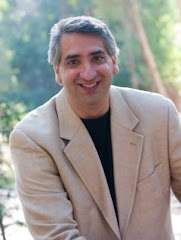
Michael Varma is a freelance writer, award-winning presenter and professional magician. To learn more, visit http://www.michaelvarma.com/.


Contact Michael Varma, the author of Tasteful Toasts, for permission to reprint this article. Copyright June 2009 Magical Concepts.

Friday, May 15, 2009

The Better to Hear You With

Four key elements of storytelling

“What happened next?” will be your three favorite words. Paint a vivid picture and your audience will “see” what you’re saying. They’ll inch forward on their seats, listen with their eyes and ears giving you their full attention – all because you know the secret of how to tell a good story. Some of the best and often funniest stories are best told as anecdotes just before the wedding toast. These vignettes follow a simple formula: PLOT (Purpose, Listeners, Organized, and Time).

Purpose
Each anecdote should deliver a message, demonstrate a point, convey a feeling or an overall purpose – like in Aesop’s Fables and sum up the point in one succinct sentence. For example, Bob is head over heels in love with Betty (cliché, but let’s go with it). Now tell a story of how Bob showed his deep passion for his bride-to-be. At the end of your anecdote the meaning should be obvious and the listeners will easily grasp or identify the concept. So, determine your purpose and the plot will thicken.

Listeners
For people to remember what you’ve said, you must reach listeners on an emotional level. Breathe life into your story’s characters and situations by describing specific parts of a scene, on action taking place or through expressive dialogue. Instead of saying, “Bob was in the kitchen,” which is flat and boring, elaborate: “Bob was wearing his new ‘Kiss the Cook’ apron and every inch of the kitchen counter was covered with all the contents of the refrigerator.” Add more flavor with dramatic voicing, pauses, expressive body language and facial expressions to help the audience connect with you and visualize the setting.

Organization
When a storyteller jumps around to seemingly random thoughts it only confuses the listeners. Tell your anecdote in a logical sequence. Make it clear, focused and easy so your audience can follow the storyline. Avoid endless details and unnecessary tangents. Have something happen in the story at a specific time and place affecting the main character. This creates a problem which needs to be resolved, followed by a series of events (the action) that reaches a climax then concludes. At the end of your account the story should connect to the overall purpose.

Timing
Brevity is paramount for anecdotes. A short creative story will quickly clarify and support your point. A beautiful byproduct of a two-minute tale is the ease of use: easy for you to remember the story and easy for your audience to remember it.

Assemble all the parts of your PLOT and you’ll have a successful and brief anecdote. For example:

“I knew Bob was on the road to marriage when he made dinner for Betty. Only true love can make a man who lives on frozen dinners and Domino’s pizza reach beyond his current skill set and boil water for something more than JELL-O. One night I walked into his bachelor’s apartment, which was decorated in jet black furniture, to find him standing in the kitchen wearing his newly purchased Kiss the Cook apron. Every inch of the counter was covered with all the contents of the refrigerator. There was a little flour in the air…and in his hair. When Bob saw me, he said, “I’m making food to eat. For me and Betty. Supper.” The only things missing were his club and cave. But alas, isn’t that what true love is all about?”

In less than 150 words, a complete story can be told. Images of each scene are painted in your listeners’ minds, logically linking from one thought to another seasoned with a little humor. A good anecdote will almost tell itself.


Michael Varma is a freelance writer, award-winning presenter and professional magician. To learn more, visit http://www.michaelvarma.com/.


Contact Michael Varma, the author of Tasteful Toasts, for permission to reprint this article. Copyright May 2009 Magical Concepts.

Wednesday, April 15, 2009

The Waiting Game

Clock watchers get left behind in economic times

Waiting for the perfect time to pitch an idea, write a query letter or send a resume? Then you might have missed the proverbial boat because your competition isn’t slowing down. Many people are fond of playing the waiting game, but the smart money is on folks following through during the slow season.

We’ve all heard “Businesses don’t hire during the holidays” and “I’ll have to update my resume.” Current excuses revolve around the stalling economy: “I’ll start calling when things begin to pick up.” Until that magic time occurs, citizens head home to watch a little boob tube, grow old and complacent about the lack of prospects. Internal justifications quickly transform into the new procrastination tool and before you can say HDTV you’re hooked on the latest soap-opera-reality-game TV show.

Employers are constantly asking associates to do more with fewer resources. The new mantra – work smarter, not harder – is no longer lip service, it’s expected of every employee. American inventor and businessman Thomas Edison said it best: “There is a better way to do it. Find it.”

If your industry is truly slow then your first priority is to make yourself the top qualified talent and shine through the sea of mediocrity. Surpass the rest by being the best.

We are all sales people. We sell ourselves to prospective employers at a job interview, present our company’s goods to current and future customers, or write query letters to pitch our great American multi-million-dollar novel to an agent. And if you’re truly honest with yourself, you know there’s always something to do, like cultivate existing relationships to network for your eventual net worth.

Every farmer knows you wake up early, plant seeds now to harvest a fruitful future. Instead of watching the clock tick by, use those idle hours to improve or develop a new skill set.

Stop loitering in your life. Learn to reach out for assistance from a friend, boss or mentor and use your time wisely. Whether you’re climbing the corporate ladder or personal steps of success, winners know, the slow season is the grow season.


Michael Varma is a freelance writer, award-winning presenter and professional magician. To learn more, visit http://www.michaelvarma.com/.

Contact Michael Varma, the author of Tasteful Toasts, for permission to reprint this article. Copyright April 2009 Magical Concepts.

Sunday, March 15, 2009

Birthday Bandits

Learn how to prevent partygoers from stealing the spotlight


Celebrating a friend’s birthday is a good thing, but taking the attention away from the honoree can be criminal. Sometimes naturally chatty folks and professional speakers “accidentally” steal the stage when their dutiful place is in the audience clapping and cheering their comrade for surviving another 365 days. Whether you’re the host of the party, best friend or guest, you can politely thwart these thieves by giving them a temporary spotlight then refocusing the beam of light upon your birthday buddy.

Let Them Eat Cake
After a rousing rendition of “Happy Birthday” at a coworker’s 50th party, a fellow associate, a Martha Stewart wanna-be, brought the festivities to a screeching halt exclaiming how she made the cake from scratch. “And the frosting, too,” she exclaimed and then she droned on and about how the eggs were organic and the milk came from local cows and her ump-teen years of cooking experience made her the best chef in the company.

While some of this information was interesting (and presented well), why did she tell us? What was her point? Beyond showcasing her talents, it was her way of expressing how much she cares for her long-time friend and how she took the extra time to bake him a cake. The easiest course of action, so you can eat that awesome organic cake, would be to publicly thank her for the labor of love then turn the limelight on the guest of honor: “Gladys, your time was well spent cause we know Bob, our resident birthday boy, loves cake. We appreciate your efforts and look forward to the tasty treat.”

Raise Your Glass
After wishes have been made and the flames extinguished, silence ensues while the cake is cut and served. This is a perfect opportunity to offer a tasteful toast. But frequently a gabby groupie will pounce upon the stillness and fill the airwaves with long-winded “best bud” adventure stories. When the tall tale becomes embarrassing, as they often do, you need a lighthearted segue. Seize the moment by clinking a glass to gather the guests’ attention and share your brief comments to keep the party on track. A simple option is to offer a toast, for example:

Tenderly we joke and tease
Candles blown out with a wheeze
Sharing in your birthday feast
We wish you 50 more - at least!

Almost any carefree or humorous transition can bridge the gap until forks are poised over slices of cake to feed fellow partygoers.

Proper Present Protocol
The most common scene stealer is the present pessimist. This is the person who constantly comments on every gift as it’s unwrapped: “I got one of those and it didn’t work,” “Uncle Maury had one and it broke the first time he use it,” “That’s adorable but I doubt it would fit you.” Such comments might be truthful or even funny at the time, but these words wound offending both gifter and giftee. Ask this most vocal visitor to be the list maker and write down the name of the gift and giver so the recipient can send thank you notes after the party – it’s a good use of their energy.

Do these tips deputize you as the party police? Do you have to maintain a constant vigil for birthday bandits at every celebration? No and no. The ultimate goal is to have a good time and remember it’s their special day, not yours. Make the guest of honor feel, well, honored and bask yourself in the afterglow.


Michael Varma is a freelance writer, award-winning presenter and professional magician. To learn more, visit http://www.michaelvarma.com/.


Contact Michael Varma, the author of Tasteful Toasts, for permission to reprint this article. Copyright March 2009 Magical Concepts.

Sunday, February 15, 2009

Passionate Presentations

Speak from the heart and become wealthy

When you give a brief heartfelt wedding toast, you are paid in appreciation, kindness and gratitude. If you give a lecture with the same caring conviction, you’ll be showered with applause and cash for a job well done. Both types of speeches create exhilaration and contentment. The key is to lead with love.

Tender Talk
It may seem surprising to compare newlywed wishes with a corporate seminar, but mixing business and pleasure can make a winning combination. When you offer words of wisdom to a young couple, you’re sharing thoughts from the heart based upon your own experiences in hopes they’ll have a brighter future. As a sincere speaker you make an honest connection with the crowd, convey a message that will inspire, energize or call folks to action and they comprehend that you care. And when the light bulbs brighten over their inquisitive heads, your heart and chest will swell with satisfaction.

Discover Hidden Talents
Finding the right words for a tasteful toast or narrowing your niche for a passionate and powerful topic to place you squarely on the speaker’s circuit may take time. One way to tap into your talents is to turn the tables: pretend you’re on the receiving end of the presentation. What would you want to hear? Determine what would help or inspire you then write it down.

Brainstorm with your spouse, mentor or best friend and identify key elements that made a difference in your life. Use the top three points from your list and prepare a speech. Reread. Rewrite. Rehearse. When it is time to present, your earnestness will be evident and your voice will naturally project the passion.

For Love or Money?
Successful seasoned speakers frequently say they get paid for doing something they love: sharing their thoughts and ideas so people can better themselves. It’s almost criminal. As a professional magician, I have frequent opportunities to apply my craft in public and private. On a long plane flight to my next show I watched a mother in the adjacent seat desperately try to quiet her cranky child. Fellow passengers were clearly fed up and would do anything to make the kid shut up – er, I mean, be quiet. I leaned across the aisle and pulled out a long thin balloon from my pocket and captured the little one’s attention. Within 60 seconds I made a cute pink poodle balloon animal and released the inner cabin pressure. I was instantly the wealthiest person on the plane.

I shared the story with my audience later that night and received joyous hoots and hollers. A heckler tried to barge into the act and I asked, “Do you need a pink poodle, too?” I got the laughs and my interloper was effectively shut down. Does it get any better? Sure does, because I got paid to have fun.


Take your favor topic and present it passionately and sincerely. Should you do it for the principle or gorgeous greenbacks? I say: Both. Your heart will sing with satisfaction – a priceless feeling – and any material response beyond that inner tune will add to your wealth.


Michael Varma is a freelance writer, award-winning presenter and professional magician. To learn more, visit http://www.michaelvarma.com/.


Contact Michael Varma, the author of Tasteful Toasts, for permission to reprint this article. Copyright February 2009 Magical Concepts.

Thursday, January 15, 2009

Resolutions: Worth Their Weight in GOLD

Four steps to fast-track your goals

Resolutions can be daunting, demanding a never-ending change in habits. That’s too much pressure to start the New Year, whereas goals imply a winner at the end of the game. More importantly, goals can begin any month or day of the week. I’ll dust off the classic fable, The Tortoise and the Hare, and show how our green friend fulfills his dream by going for the GOLD – Goals, Objectives, Logistics and Deadlines – to win the race.

Goals
Being successful takes time. It might happen today, next month, or 365 days from now, but defining your vision is step one.

Write down your ultimate goal. Is it to run your first marathon? Offer a tasteful toast at a wedding? Whether it’s a large task like writing a novel or a small chore like cleaning out the junk drawer – get it down on paper. Setting your project on paper begins the process of making it a reality.

If you can imagine it, you can achieve it.
If you can dream it, you can become it.
- William Arthur Ward

Objectives
In the parable, the tortoise dreams of beating the hare in a foot race. An ambitious endeavor? Yes, but listing the objectives and tasks needed to accomplish the ultimate goal brings him closer to the finish line. Our shelled friend’s “to do” list might look like this:

1. Define the distance
2. Train on the track
3. Run the race

Write down the necessary steps to reach your goal. Modify your list as you encounter obstacles (we typically do) and remember what Mom always said, “The journey itself builds character.”

Logistics
When you reach a road block, assess the situation. Look for options and determine if you can go over, around, under or through the barrier. A logistical lifeline is always available. Reach out to an expert or mentor for help.

He who is afraid of asking is ashamed of learning.
- Danish Proverb

Deadlines
Assign a target completion date for each objective. A schedule will emerge and magically propel you down the path toward success. Committing to each deadline will help prevent procrastination.

Had the hare followed through with his original intentions, instead of taking a nap under the oak tree, he’d be showered with champagne in the winner’s circle and not sassing about second place.

There are two mistakes one can make along the road.
Not going all the way and not starting.
- Buddha

Every mile finished in your personal marathon adds momentum, motivating you to “go the distance” – an accomplishment that deserves a victory dance. Winners go for the GOLD (Goals, Objectives, Logistics and Deadlines). Set your path on paper and you’ll be on the fast track to achieving your destiny.

The future belongs to those who believe in the beauty of their dreams.
- Eleanor Roosevelt


Michael Varma is a freelance writer, award-winning presenter and professional magician. To learn more, visit http://www.michaelvarma.com/.


Contact Michael Varma, the author of Tasteful Toasts, for permission to reprint this article. Copyright January 2009 Magical Concepts.
 
Subscribe to Tasteful Toasts by Email