Showing posts with label storytelling. Show all posts

Friday, April 15, 2011

Be Warm, Witty and Wise

Learn the three components of a tasteful toast.

As a professional magician and frequent attendee of social gatherings, I believe toasting is one of the easiest ways to turn an ordinary party into an extraordinary celebration. I’ve witnessed how a few spoken words can enhance an evening, enchant guests and promote re-telling of stories about the special event, starting with the toast. You, too, can convey your own magical message by learning the three components of a tasteful toast: Be warm. Be witty. Be wise.

Be Warm

In the popular 1970’s television show Fantasy Island, Mr. Roarke, played by Ricardo Montalbán, warmly greeted his guests in order to set them at ease. He’d say, “Good afternoon everyone, I am Mr. Roarke, your host. Welcome to Fantasy Island.”

We can learn from our history of the mini silver screen. If Mr. Roarke’s simple and genuine introduction worked well for six seasons – 158 episodes – then we can follow the script, too. Address the audience, introduce yourself and provide a sincere welcome.

Be Witty

After the hospitable welcome, people will pause for a few moments to listen for more information. For example, “Dinner is served in the main room. Please take your seats.” In my experience, this is an excellent time to proffer a brief humorous observation.

Below are a few generic funnies:

  • All our guests make us happy; some by coming and others by going.

  • Home: the place where you’re treated the best and grumble the most.

  • Never eat more than you can lift.

Be Wise

Next comes sage advice. What to say will vary depending on the wisdom to impart on the occasion: birthday, wedding, divorce (yes, that’s true!), baby shower, new job, or promotion. Quotes, proverbs, Tasteful Toasts, or writing words from the heart offers a vast array of appropriate remarks.

  • Baby: To the new parents, who are about to enter a “changing” world!

  • Promotion: May the work that you have be the play that you love.

  • Divorce: Always remember that hindsight is the best insight to foresight.

Put it all together and you’ll have three sentences – one warm, one witty and one wise:

Good evening ladies and gentlemen, my name is Michael Varma and I am your emcee for the evening. Welcome to Captain Sunny’s retirement party. He’s a man who knows everything and now has plenty of time to tell you all about it. Sunny, remember it’s not the years in your life, but the life in your years.

Practice your lines a couple of times to ensure a steady delivery, then let the festivities begin!


M

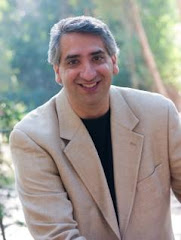
ichael Varma is a freelance writer, award-winning presenter and professional magician. To learn more, visit www.MichaelVarma.com. Contact Michael Varma, the author of Tasteful Toasts, for permission to reprint this article. Copyright April 2011 Magical Concepts.


Thursday, October 15, 2009

The Hairy Toe

Old Mrs. Piedmont lived in a log cabin in the tiny town of Frazier Park, California, in the early 1800s. She would forage for food every day hoping to capture a rabbit or other small game but often had to dig up some roots and cook them for dinner. One day while picking mushrooms from the base of her favorite tree, she spotted something strange sticking out of the ground. She brushed away the topsoil until she uncovered a great big hairy toe. There was some good meat on that toe and it would make a mighty tasty dinner. With a single whack of her hatchet old Mrs. Piedmont dislodged the toe, put it in her basket and took it home.

When she got back to her cabin, she boiled her vittles in a kettle and had hairy toe soup for dinner. The meat was so tender she ate it right off the bone. It was the best meal she'd had in weeks! With a full stomach old Mrs. Piedmont fell fast asleep at the kitchen table next to her napkin and the toenail clipping.

The moon rose, crossed the night sky and seemed to stop directly over her house. Cold wind started blowing and growing stronger until it howled through the tree tops. A soft hollow voice was carried through the air calling out, "Hairy toe! Hairy toe! I want my hairy toe!" Inside the house, old Mrs. Piedmont stirred and nervously looked around.

From the woods came a stomp-squish, stomp-squish, stomp-squish noise and the wind whistled louder. At the edge of the forest, she could make out a ghoulish cry: "Hairy toe! Hairy toe! I want my hairy toe!" Old Mrs. Piedmont shuddered and ran to the door and barred it.

Stomp-squish, stomp-squish, stomp-squish sounds came from the garden path outside her cabin. Mournful moans shook her window shutters: "Hairy toe! Hairy toe! I want my hairy toe!"

The front door burst open with a bang, snapping the bar in two and a massive figure walked through the shattered doorway – stomp-squish, stomp-squish, stomp-squish. It demanded: "Hairy toe! Hairy toe! I want my hairy toe!" and pointed to the missing digit.

Old Mrs. Piedmont shouted in terror, "But I ATE your hairy toe!"

“And I want it back.” The giant advanced into the room stomp-squish, stomp-squish, stomp-squish.

Old Mrs. Piedmont was never seen again.

And still to this day, more than 200 years later, people still ask, “What does hairy toe soup taste like?” It ain’t toe bad – tastes like chicken.

=========

[Author’s note: Telling this story has worked well with all ages and was an adaptation of a Maryland folktale.]


Michael Varma is a freelance writer, award-winning presenter and professional magician. To learn more, visit http://www.michaelvarma.com/.


Contact Michael Varma, the author of Tasteful Toasts, for permission to reprint this article. Copyright October 2009 Magical Concepts.

Friday, May 15, 2009

The Better to Hear You With

Four key elements of storytelling

“What happened next?” will be your three favorite words. Paint a vivid picture and your audience will “see” what you’re saying. They’ll inch forward on their seats, listen with their eyes and ears giving you their full attention – all because you know the secret of how to tell a good story. Some of the best and often funniest stories are best told as anecdotes just before the wedding toast. These vignettes follow a simple formula: PLOT (Purpose, Listeners, Organized, and Time).

Purpose
Each anecdote should deliver a message, demonstrate a point, convey a feeling or an overall purpose – like in Aesop’s Fables and sum up the point in one succinct sentence. For example, Bob is head over heels in love with Betty (clichĂ©, but let’s go with it). Now tell a story of how Bob showed his deep passion for his bride-to-be. At the end of your anecdote the meaning should be obvious and the listeners will easily grasp or identify the concept. So, determine your purpose and the plot will thicken.

Listeners
For people to remember what you’ve said, you must reach listeners on an emotional level. Breathe life into your story’s characters and situations by describing specific parts of a scene, on action taking place or through expressive dialogue. Instead of saying, “Bob was in the kitchen,” which is flat and boring, elaborate: “Bob was wearing his new ‘Kiss the Cook’ apron and every inch of the kitchen counter was covered with all the contents of the refrigerator.” Add more flavor with dramatic voicing, pauses, expressive body language and facial expressions to help the audience connect with you and visualize the setting.

Organization
When a storyteller jumps around to seemingly random thoughts it only confuses the listeners. Tell your anecdote in a logical sequence. Make it clear, focused and easy so your audience can follow the storyline. Avoid endless details and unnecessary tangents. Have something happen in the story at a specific time and place affecting the main character. This creates a problem which needs to be resolved, followed by a series of events (the action) that reaches a climax then concludes. At the end of your account the story should connect to the overall purpose.

Timing
Brevity is paramount for anecdotes. A short creative story will quickly clarify and support your point. A beautiful byproduct of a two-minute tale is the ease of use: easy for you to remember the story and easy for your audience to remember it.

Assemble all the parts of your PLOT and you’ll have a successful and brief anecdote. For example:

“I knew Bob was on the road to marriage when he made dinner for Betty. Only true love can make a man who lives on frozen dinners and Domino’s pizza reach beyond his current skill set and boil water for something more than JELL-O. One night I walked into his bachelor’s apartment, which was decorated in jet black furniture, to find him standing in the kitchen wearing his newly purchased Kiss the Cook apron. Every inch of the counter was covered with all the contents of the refrigerator. There was a little flour in the air…and in his hair. When Bob saw me, he said, “I’m making food to eat. For me and Betty. Supper.” The only things missing were his club and cave. But alas, isn’t that what true love is all about?”

In less than 150 words, a complete story can be told. Images of each scene are painted in your listeners’ minds, logically linking from one thought to another seasoned with a little humor. A good anecdote will almost tell itself.


Michael Varma is a freelance writer, award-winning presenter and professional magician. To learn more, visit http://www.michaelvarma.com/.


Contact Michael Varma, the author of Tasteful Toasts, for permission to reprint this article. Copyright May 2009 Magical Concepts.
 
Subscribe to Tasteful Toasts by Email